What Key Fob Replacement Actually Involves — and Why It's Not a Simple Swap
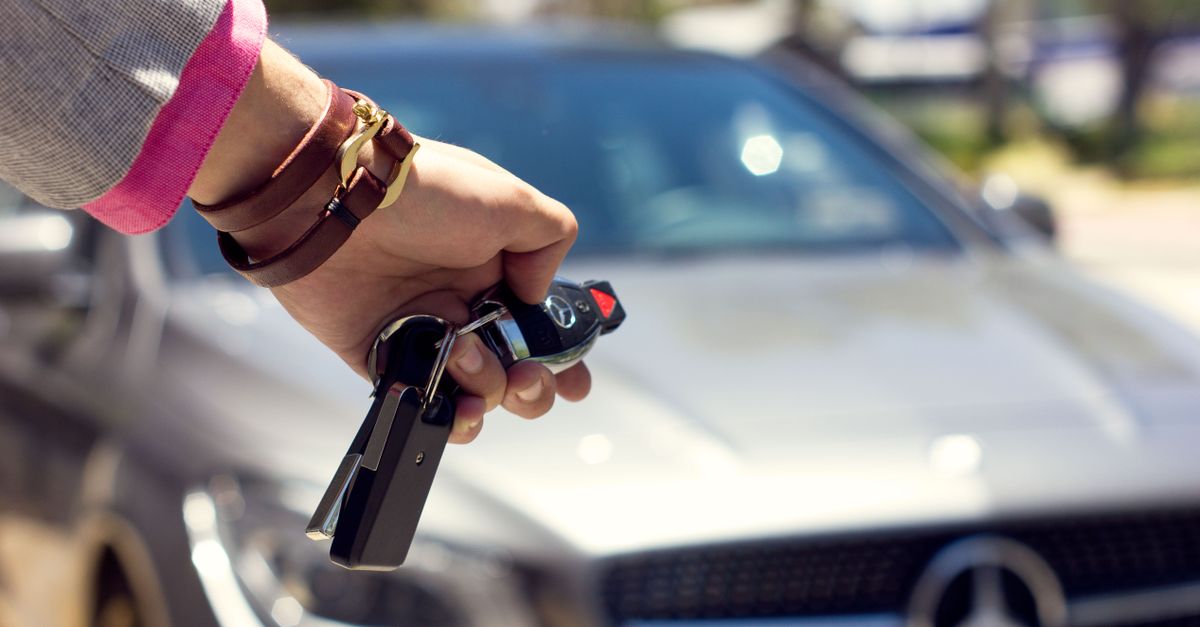
A modern vehicle key fob is not just a plastic shell with buttons. It contains a rolling-code radio transmitter, and in most post-2000 vehicles, a transponder chip embedded in the key blade itself. That chip must be cryptographically paired to your car's immobilizer system, or the engine will crank but refuse to start. This is why simply buying a blank fob online and cutting a new key at a hardware kiosk almost never works — the transponder remains unprogrammed and the vehicle treats it as an unauthorized key. Our technicians use OBD-II diagnostic interfaces and manufacturer-level software to write the correct rolling code and immobilizer pairing directly to your specific vehicle's ECU.
The process varies meaningfully by make. Ford, GM, and Chrysler vehicles typically allow on-board self-programming for a second fob if one working key is already present, but if you have zero working keys — a total lockout scenario — dealer-level equipment is required to initialize the system from scratch. Toyota, Honda, and Subaru models from the late 2010s onward use encrypted seed-key algorithms that require live server authorization during programming. European vehicles from BMW, Mercedes-Benz, Audi, and Volkswagen often tie the fob to the vehicle's CAS or EIS module, making the process more involved. We carry the tooling for all of these platforms, which is why New Yorkers across every neighborhood call us instead of waiting days for a dealership slot to open up.