
What Is a Mortise Lock and Why Do NYC Buildings Rely on Them?
A mortise lock is a lock mechanism housed inside a rectangular pocket — the mortise — cut directly into the body of the door. Unlike a cylindrical lockset, which sits in a drilled hole near the door's edge, a mortise lock set occupies a long, deep cavity that runs through the stave, which is why it requires a door of substantial thickness to accommodate it. The body of the lock contains multiple independent components: a latch bolt, a dead bolt, a strike-plate interface, and often an auxiliary latch — all driven by a single integrated case. This multi-point engagement is what makes mortise hardware so mechanically superior to surface-mounted alternatives for security. In New York's dense residential stock, buildings constructed between roughly 1890 and 1940 were almost universally fitted with mortise hardware because it was the only option that met both the structural demands of solid-core oak and mahogany doors and the building codes of the era.
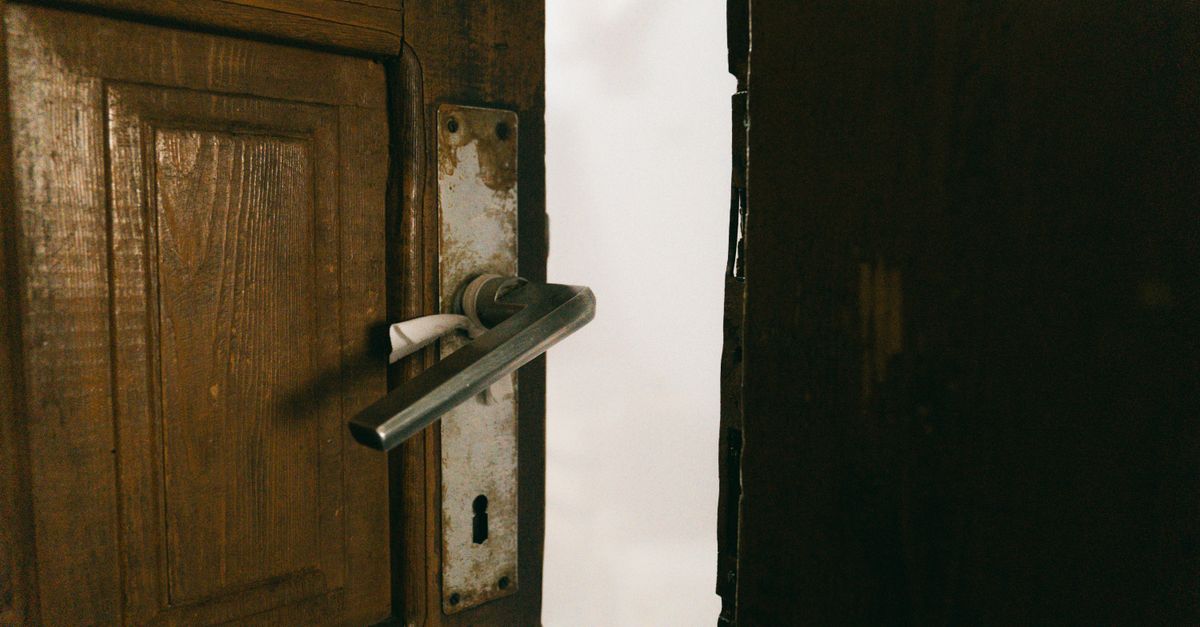
Today, those same locks are found in the vestibule doors of landmarked Brooklyn brownstones, the apartment entry doors of prewar Manhattan buildings with original brass escutcheons, and the rear service doors of older commercial spaces throughout all five boroughs. Because the lock body is mortised into the door, replacement isn't as simple as swapping a knob — the new lock case must fit precisely within the existing pocket, or the door itself requires remediation. That's why calling a trained locksmith who knows this hardware is critical, not a general handyman who may never have seen a mortise case opened.