
Storefront & Panic Hardware: What New York Commercial Doors Actually Demand
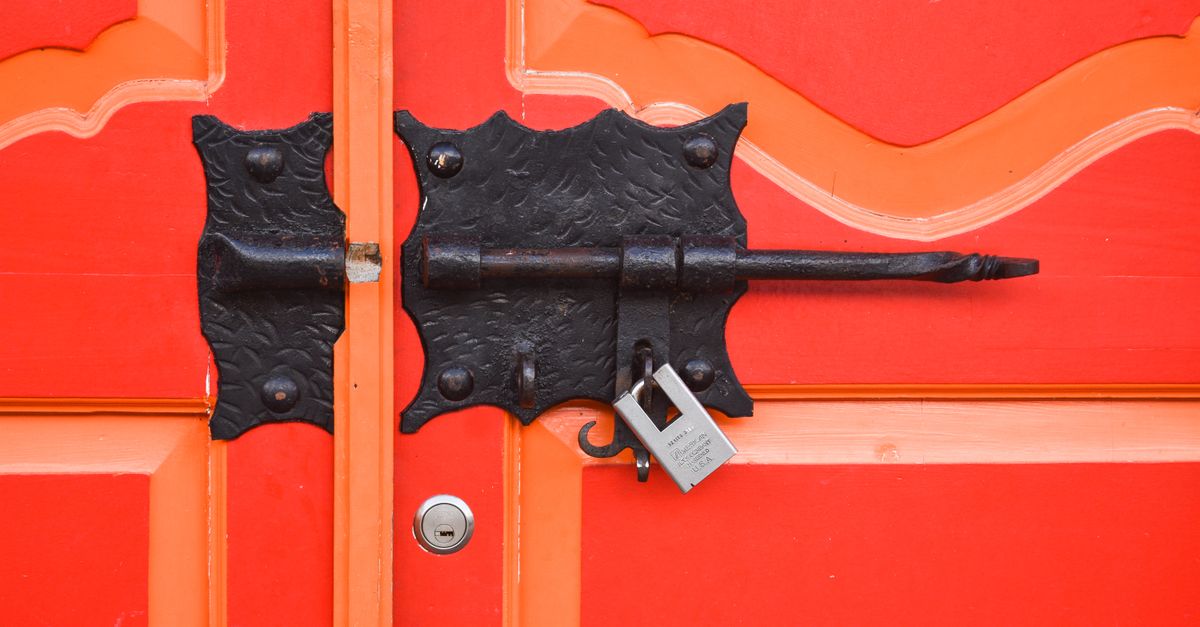
Commercial door hardware is an entirely different category from the residential knob sets and deadbolts most people picture when they think of a locksmith. A commercial mortise lock, for example, is a self-contained unit recessed into a deep pocket — or 'mortise' — cut into the door edge. It integrates a latchbolt, a deadbolt, a cylinder, and often a lever or knob trim into one chassis. Brands like Sargent, Corbin Russwin, and Yale manufacture mortise locks built for tens of thousands of operational cycles, but those cycles accumulate fast on a busy New York block. When the internal cam, the anti-pick pins, or the tailpiece wear down, the entire locking mechanism can fail mid-day — leaving your staff unable to secure the premises or, worse, unable to open the door at all.
Exit devices — commonly called 'panic bars' or 'crash bars' — are legally required on many commercial occupancies under New York City Building Code and fire egress rules. A malfunctioning exit device is not just an inconvenience; it is a potential life-safety violation. Door closers, meanwhile, are the hydraulic or pneumatic arms that control how fast a door swings shut and latches. A door closer that drags too slowly or slams violently is a code issue, an ADA issue, and a hardware-longevity issue all at once. Our technicians understand the intersection of these mechanical systems and how each one affects the others — adjusting closer tension, for instance, can change the load a mortise lock latch must handle on every closing cycle.