What Transponder Key Programming Actually Involves
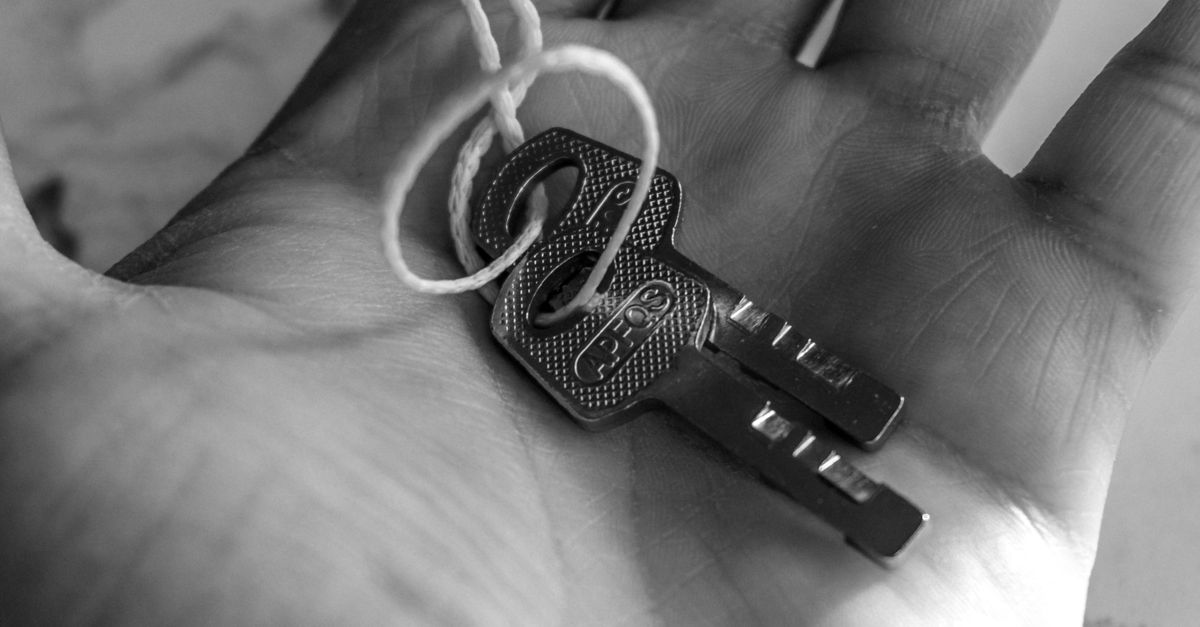
A transponder key contains a passive RFID chip that stores a unique rolling code or fixed code tied to a specific vehicle. When you insert or bring the key near the ignition, the car's antenna ring reads that code and forwards it to the Engine Control Unit. If the code matches the stored profile, the immobilizer disarms and the starter is allowed to engage. Transponder key programming is the process of writing — or re-writing — that code so it is recognized as valid by your particular vehicle. This is categorically different from simply cutting a key blade to the correct profile: a perfectly cut key with an unprogrammed chip will still leave your engine silent.
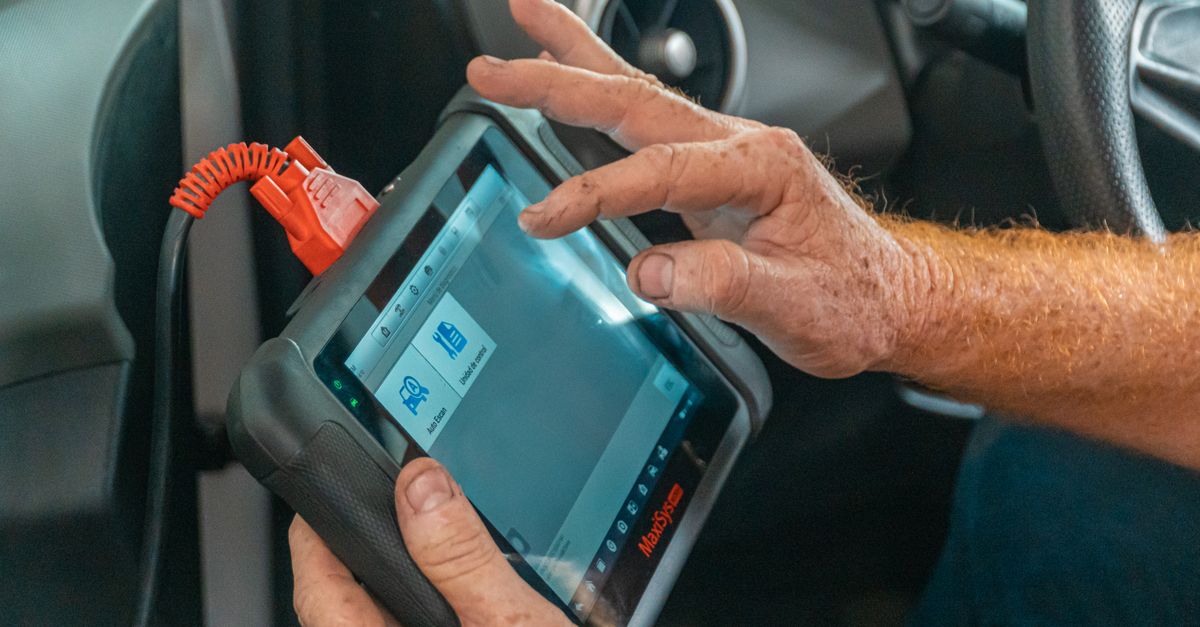
The programming process varies considerably by manufacturer and model year. Some vehicles allow on-board programming sequences that our technicians can execute with specialized handheld tools. Others, particularly newer European and Asian makes, require a bidirectional communication with the car's OBD-II port and a secure server handshake to generate and write a valid code. A small number of high-security platforms — certain BMW, Mercedes-Benz, and Toyota models — involve token-based authentication that demands both the right equipment and the right credentials. Our technicians stay current with evolving protocols so that the same team answering your call at midnight on a Tuesday has the tools to handle your specific vehicle without guesswork.