Kips Bay Locksmith Service Team
Local locksmith team
Jun 15, 2026 10 min read
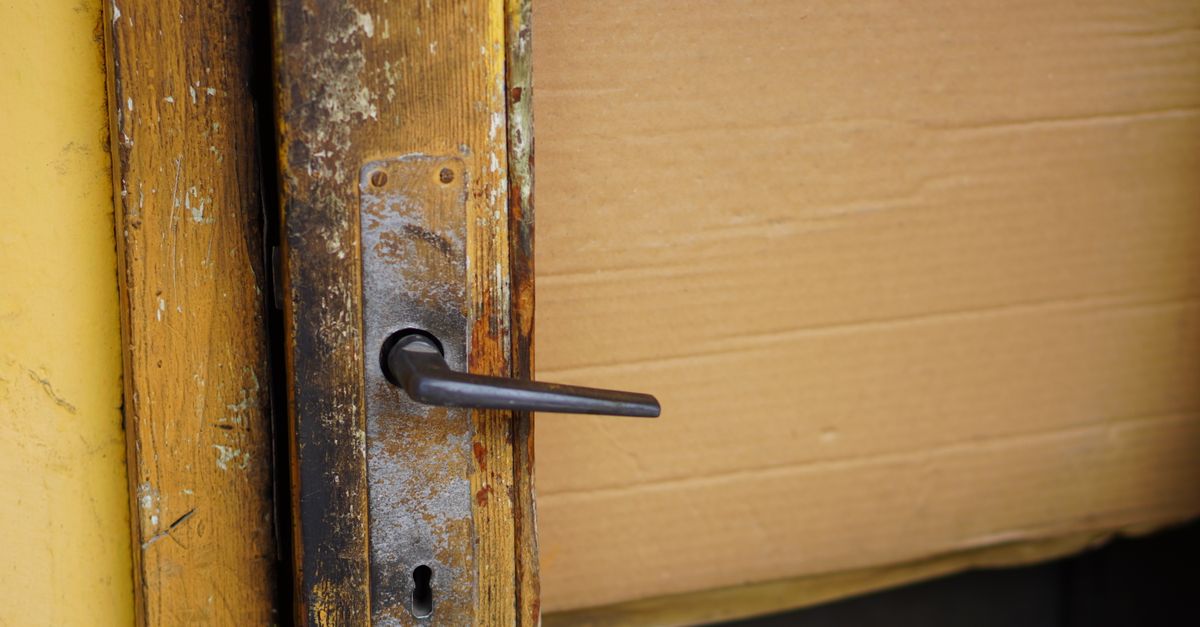
["If you've ever moved into a prewar apartment building along Second Avenue or near the Murray Hill stretch of Kips Bay and tried to describe your front door lock to a hardware store clerk, you've probably heard the words "mortise lock" for the first time — right before your eyes glazed over. These aren't the simple cylindrical locksets you'll find on a suburban tract home. Mortise locks are beefy, pocket-set mechanisms built directly into the door body itself, and they've been the gold standard for New York City apartment buildings since the early 1900s. Understanding what you have on your door is the first step toward keeping it working — and knowing when to call a professional before a small problem becomes a 2 a.m. lockout.", "This guide breaks down exactly how a mortise lock works, why you'll find them on virtually every prewar door from Kips Bay to the Upper West Side, and how to make smart decisions about repair versus replacement. Whether your lock is stiff, your key is starting to slip, or you just inherited an old Corbin Russwin mortise lock from a previous tenant's era, you'll leave here knowing what to do next."]
## What Is a Mortise Lock — And How Is It Different From a Standard Knob Lock?
A mortise lock is a complete locking mechanism housed inside a rectangular steel case that sits inside a precisely routed pocket — called a mortise — cut into the edge of the door. Unlike a standard door knob with lock and key, which installs through a simple bored hole and relies on a small spring latch for most of its holding power, a mortise lock set integrates a deadbolt, a spring latch, and sometimes a privacy thumbturn all into one unified body. That single case controls multiple points of security simultaneously, which is why the mechanism feels so solid when you turn the key.
The external face of a mortise lock set — the trim you actually touch — typically includes a knob or lever on each side, an escutcheon plate, and a separate mortise lock cylinder that accepts the key. The cylinder is threaded into the case and held by a small setscrew, which matters a great deal when a cylinder wears out: a skilled locksmith can extract and replace just the cylinder without disturbing the rest of the hardware. This modularity is one of the biggest advantages of the mortise system and a core reason these locks have endured in New York City buildings for over a century.
## Why Prewar Kips Bay Buildings Are Full of Mortise Locks
Walk down East 30th Street between Second and Third Avenue and you'll pass a row of six- and seven-story brick buildings constructed between roughly 1910 and 1940. Every one of those buildings was equipped with mortise locks at original construction — not because landlords were splurging, but because mortise locks were simply the standard residential and commercial lockset of the era. Brands like Corbin Russwin (still manufactured today) and Baldwin mortise lock hardware were spec'd into buildings the way we specify stainless steel appliances now. The thick doors, the hardwood jambs, and the deep mortise pockets in those buildings are all sized specifically for this style of hardware.
Because these buildings were constructed with longevity in mind, the mortise lock set exterior door hardware has often outlasted multiple owners, multiple super cycles, and decades of New York winters. That's a feature, not a bug — a quality mortise lock, properly maintained, can last 50 to 80 years. The downside is that when something does go wrong, the repair requires a locksmith who actually understands the internal cam, bolt, and spindle geometry of these older mechanisms, not just someone who swaps out big-box cylindrical locks all day. Our team works on prewar Kips Bay buildings regularly and carries the specialized tools and replacement parts to service legacy hardware on the spot.
## How a Mortise Lock Set Works: The Key Components
Inside the steel case of a mortise lock, several moving parts work together every time you turn a key or twist a knob. The mortise lock cylinder at the front of the door accepts the key and rotates a cam — a small eccentric lever at the back of the cylinder — which in turn retracts the deadbolt or releases the latch bolt depending on how far you turn. The latch bolt (the angled spring-loaded piece) handles everyday door closure, snapping into the strike plate automatically when you pull the door shut. The deadbolt (the square-ended bolt) is the security element; it extends fully only when you turn the key or the interior thumbturn, throwing a solid steel projection into a reinforced strike in the door frame.
The spindle — a square metal rod — runs through the center of the lock body and connects the interior and exterior knobs or levers. When the spindle turns, it moves the latch bolt. If you've ever had a door where the knob spins freely without retracting the latch, the spindle connection has likely failed — a classic mortise lock repair that our team handles daily across Kips Bay and the surrounding neighborhoods. Understanding these components helps you describe your problem clearly when you call, which speeds up every service call.
## Repair or Replace? A Practical Guide for NYC Apartment Owners
The repair-versus-replace question depends on three things: the condition of the lock body, the availability of matching parts, and the age of the hardware. Most problems — a worn mortise lock cylinder, a broken spindle, a fagging latch spring, or a misaligned strike plate — are repairable on site without touching the door or the frame. This is almost always the right call for prewar buildings where the door has been routed to an exact dimension; swapping to a modern cylindrical lock would mean significant woodwork and potentially a code-compliance discussion with your co-op or condo board. If the internal case is cracked, the bolt is sheared, or the mechanism is so worn that parts are no longer available, replacement with a matching-dimension mortise lock set makes more sense. A Corbin Russwin mortise lock, a Baldwin mortise lock, or a comparable quality brand can be fitted to the existing mortise pocket in most cases, preserving the door integrity.
One situation that always warrants a call before you decide anything: if you're locked out. Do not attempt to force a mortise lock open yourself — the multi-bolt design is specifically engineered to resist that kind of pressure, and you're more likely to damage the door, the frame, or injure yourself than to get inside. Instead, check whether a building super has a master key, look for an accessible secondary entrance, or call us directly. We're available around the clock precisely because lock problems don't schedule themselves. Call (646) 863-8526 — we answer 24/7 and can typically reach most Kips Bay addresses within 30 minutes.
## NYC Locksmith Costs, Licensing, and What to Expect on a Service Call
Two questions we hear constantly: "How much does a local locksmith charge?" and "Does NY require a locksmith license?" On pricing — there's no single flat number, and any company that quotes you a firm price without knowing the lock type, the specific repair needed, the time of day, and the travel distance is either guessing or planning to surprise you with add-ons. The factors that genuinely shape your final quote include the complexity of the hardware (a legacy Corbin Russwin mortise lock with worn-out internals takes longer to service than a cylinder swap), whether you need the work done at midnight versus midday, and whether specialty parts need to be sourced. What we commit to before touching anything: a clear, confirmed price upfront so you can make an informed decision with no pressure and no surprises after the fact.
On licensing: New York City requires locksmiths operating commercially to hold a license issued by the NYC Department of Consumer and Worker Protection. Our team is fully insured and operates in compliance with local regulations. When a locksmith arrives at your door, it is entirely reasonable to ask for identification and to verify who you're letting into your building — in fact, we encourage it. Our technicians carry professional identification and will always confirm the scope of work before beginning. We are trained and experienced specifically on the range of hardware common to NYC residential and commercial buildings, including the full spectrum of prewar mortise lock configurations. Whether it's a standard service call or a late-night emergency locksmith situation, the process is the same: verify, quote, confirm, work.
## Our Locksmith Services: What Kips Bay Locksmith Handles
Kips Bay Locksmith is a mobile, 24/7 operation serving the full New York area. Below is a snapshot of what our trained technicians handle every day across residential, commercial, and automotive needs:
1. Mortise lock repair and servicing for prewar NYC apartments 2. Mortise lock cylinder extraction and replacement 3. Full mortise lock set installation on exterior doors 4. Deadbolt installation and upgrade 5. Cylindrical lockset installation and replacement 6. Door knob with lock and key replacement 7. High-security lock upgrades (Grade 1 commercial-rated hardware) 8. Corbin Russwin and Baldwin mortise lock sourcing and installation 9. Rekey services — change your locks without replacing the hardware 10. Master key system design and implementation 11. Emergency lockout response — residential apartments and houses 12. Commercial locksmith services for offices, retail, and multi-tenant buildings 13. Mailbox lock repair and replacement 14. Gate lock and padlock installation 15. Panic bar and exit device installation for commercial doors 16. Lock repair after a break-in or attempted forced entry 17. Door frame and strike plate reinforcement 18. Smart lock and keypad lock installation 19. Access control system installation for building entry 20. Intercom-to-lock integration support 21. Car lockout service across the NYC metro area 22. Automotive key cutting and duplication 23. Transponder key programming and key fob replacement 24. Broken key extraction — door locks and ignition 25. Ignition lock cylinder repair and replacement 26. Safe opening and combination change services 27. Storage unit lock replacement 28. Window lock installation and repair If your specific situation isn't on this list, call us anyway — our technicians carry a broad inventory and can advise you on the spot.
Frequently asked questions
What is a mortise lock, and is it more secure than a regular deadbolt?+
A mortise lock is a multi-component locking mechanism set inside a pocket routed into the door body, combining a spring latch and a deadbolt in a single heavy-duty steel case. Compared to a standard cylindrical deadbolt, a well-maintained mortise lock generally offers greater resistance to kick-in and pry attacks because the case is embedded deeper in the door and the bolt throw is reinforced by the surrounding door material. For NYC prewar buildings with solid hardwood doors and thick frames, a properly functioning mortise lock is one of the strongest residential security options available.
How much does an emergency locksmith cost in NYC, and what affects the price?+
There's no universal flat rate for emergency locksmith work in New York — the final cost depends on factors including the type of lock involved (a legacy mortise lock set takes more specialized labor than a simple deadbolt), the time of day, how far the technician needs to travel, and whether replacement parts are required. What you should always expect from a reputable locksmith: a confirmed, upfront price before any work begins. At Kips Bay Locksmith, we quote before we start — no hidden fees, no after-the-fact surprises. Call (646) 863-8526 for a direct assessment of your specific situation.
Does New York require locksmiths to be licensed?+
Yes. The New York City Department of Consumer and Worker Protection requires locksmiths who work commercially in the five boroughs to hold a valid locksmith license. When any technician arrives at your door, you have every right to ask for identification and proof of authorization before allowing entry — and you should. Our team operates fully in compliance with NYC regulations and carries professional identification on every call.
My mortise lock cylinder is hard to turn and the key sometimes sticks — do I need a full replacement?+
Not necessarily. A stiff or sticky mortise lock cylinder is one of the most common service calls we handle in Kips Bay, and it's often fixable without replacing the entire lock set. The most frequent culprits are worn cylinder pins, dry or gummed-up internals (graphite lubricant works far better in these mechanisms than oil-based sprays), or a slightly bent key that's been gradually damaging the pins. A trained locksmith can assess the cylinder in place, repin it if the internals are salvageable, or swap just the cylinder if it's beyond service — a job that typically takes under an hour and leaves your door hardware otherwise untouched.